

This isn't just a bottle of Zweigelt. It is proof of competence.
Lowering expectations feels kind; raising standards feels risky. But for people with special needs, standards are the difference between being managed and being taken seriously. This wine from Coco Farm & Winery exists because someone chose the harder options.
Here’s how it started.
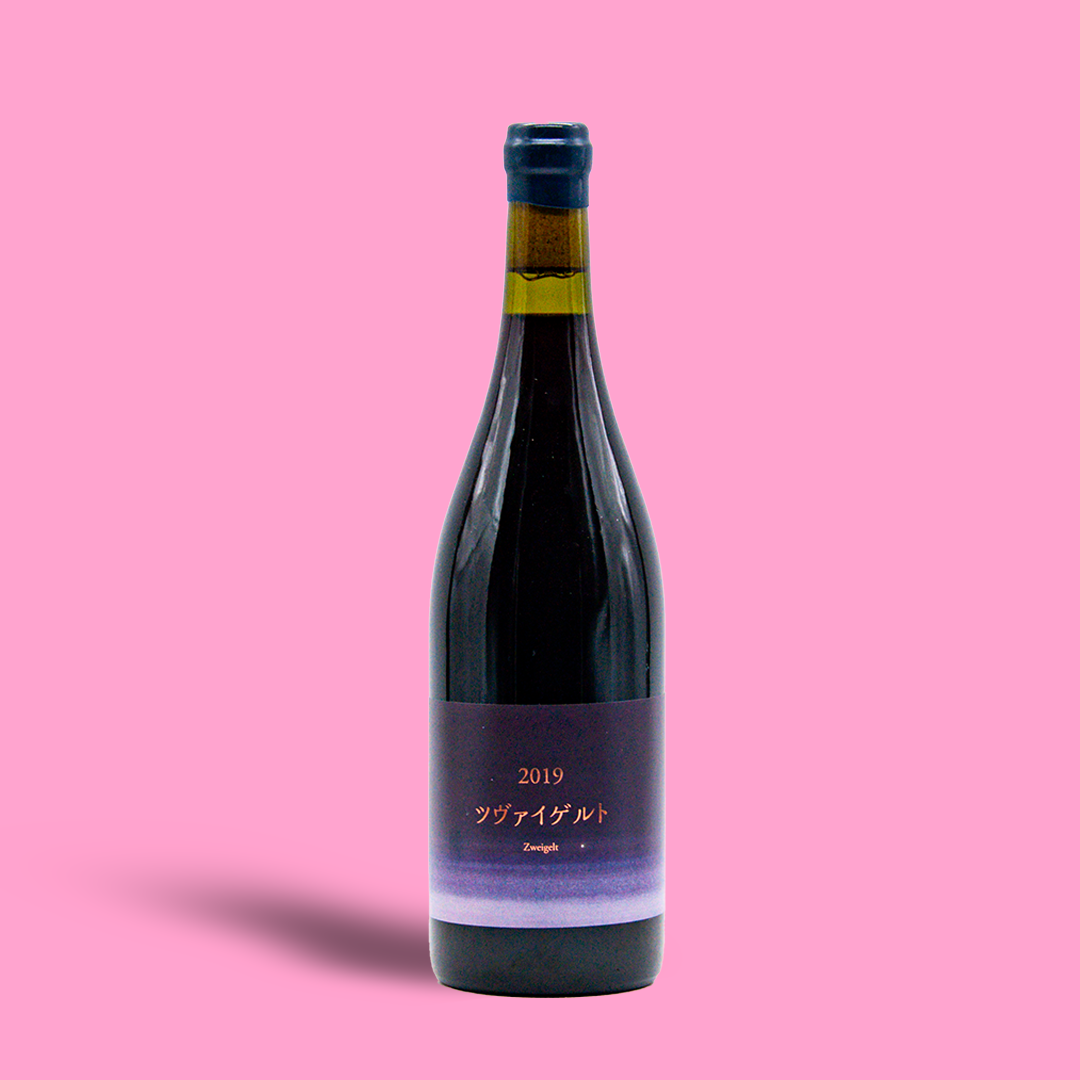
Coco Farm & Winery Coco To Aru Series Zweigelt
Photo from: The Local: Wine & Beer
ABOUT COCO FARM & WINERY

Postwar Japan had a quiet problem.
Students with intellectual disabilities finished school and then hit a wall.
No work. No responsibility. No future that treated them like capable adults.
Mr. Kawada, a special education teacher, rejected this notion for his students.
He believed dignity didn’t come from protection.
It came from real work with real consequences.

Kawada asked a question: “What kind of work is hard enough that failure matters, but fair enough that effort is rewarded?”
His answer was a steep, abandoned hill. It was a piece of land that everyone, even farmers, had passed over because it seemed impossible to cultivate.
And that’s exactly why he took it.

Grapevines weren’t chosen for their beauty. He chose them because they were unforgiving. They demanded daily care, seasonal accountability, and years of patience.
You neglect them, you lose them. You commit, you see the fruit of your labor.
The terraces were carved by hand. Rows took shape slowly. These students weren’t just “helping.” They were in charge.

Something unexpected happened. The vineyard didn’t just survive; it thrived. The fruit coming off that hillside was better than it had any right to be.
At some point, ignoring the quality became irresponsible. So, they did the next logical thing: they began to make wine. Wine that reflected their values.
Patience. Humanity. Imperfection. Life.
It is a winery born from a special needs education project, built on land no one wanted, that now stands shoulder to shoulder with some of the best wines in the world.
FUN FACTS
⚖️ From Constraint to Company
The education facility couldn’t legally hold a wine license. So, parents and supporters did the only logical thing: they formed a separate company, Coco Farm & Winery, so the work could become a real business.
📈 Market Validated
The first official vintage was released in 1984, nearly 25 years after the vineyard was planted. They produced 12,000 bottles, and they sold out.
🌱 Voluntary Retention
Here's the metric that matters. Many students chose to stay on the farm long-term. Not because they had to, but because they could. They weren’t placed there; they opted in. That’s ownership.
WINE STYLE
Primary Aromas (from the grapes)
Blackberry, black cherry, a little bit of plum, thyme, bay leaf, and light peppery spices
Secondary Aromas (from fermentation)
Faint bread dough with a little creaminess
Tertiary Aromas (aging in the bottle)
Mushroom, tobacco or faint cigar, and cedar
THE CRITICS
Bright and bushy aromas of spruce, forestry, mountain berries, licorice root and black tea. Delicious in a sense, but the absence of tannins makes for a soft, plush, mid-weighted expression that may have drunk better in a more youthful state. Drink now.
VINTAGES
Better for aging
2019
Standard Zweigelt is usually best within a few years of release. However, the 2019 is barrel-aged 16 months and bottled unfiltered, giving it more structure and potential to age than a typical Zweigelt (an Austrian grape variety).
Find this vintage near me
Ready to drink
2018
Any vintage within 5 - 7 years is typically in a good “ready” window.
Find this vintage near me
Value pick
Any
There isn’t a strong differentiated official vintage hierarchy for this wine. You are paying for the product itself, not the brand name.
Find this vintage near me
HOW TO SERVE
Temperature
Aim for about 55–60°F (12–15°C). This is the usual “slight chill” recommended for lighter reds. In practice, put the bottle in the fridge for 20-30 minutes, then let it warm slowly in the glass so the fruit and spice flavor come out.
Glassware
Use a medium-sized red wine glass (commonly known as an “all-purpose” wine glass).
Food Pairings
This is a gastronomic wine, meant for food rather than just sipping solo.
Roasted Pork: Try it with a char siu-style pork. The acidity complements the sweet-savory glaze.
Asian Flavors: Try it with a Thai lemongrass chicken curry. You will find that the wine cuts through the richness and keeps the dish from feeling too heavy.
Cheese: Goat cheese (Chèvre) or semi-soft sheep’s milk cheese.
WHERE IT IS
611 Tajimacho, Ashikaga, Tochigi 326-0061, Japan
Disclaimer
This newsletter and its content are intended only for individuals of legal drinking age in their country of residence.
Please enjoy wine responsibly.
We are not liable for any losses or damages related to the use of this newsletter, including reliance on information provided or linked url.
All content in this newsletter is copyrighted. Reproduction or distribution without permission is prohibited.